


What Are Abstract Images? A Guide for Art Enthusiasts
TL;DR:
- Abstract images focus on formal elements like color, shape, and texture rather than recognizable subjects to evoke emotion. They exist on a spectrum from semi-abstract fragments to fully non-representational works, requiring active viewer interpretation. Creating abstract art involves deliberate choices in framing, light, and composition without relying on specialized equipment.
Abstract images are visual works that prioritize form, color, shape, and texture over recognizable subjects, using these formal elements to convey emotion and meaning rather than literal reality. Defined by Britannica as art that avoids literal depiction, abstraction operates on a spectrum from semi-abstract compositions with recognizable fragments to fully non-representational works with no identifiable subject at all. This applies equally to painting and photography, making abstract imagery one of the most versatile and widely practiced visual disciplines. Understanding what makes an image abstract, and how to read one, opens up a richer relationship with art in every form.
What are abstract images and how are they defined?
Abstract images are artworks or photographs in which form, color, and texture take precedence over clear, identifiable subjects, making the works open to personal interpretation. The standard industry term is non-representational art when a work contains no recognizable content at all, though most abstract images fall somewhere between full representation and complete abstraction. Mood and visual experience replace narrative or documentation as the primary purpose.
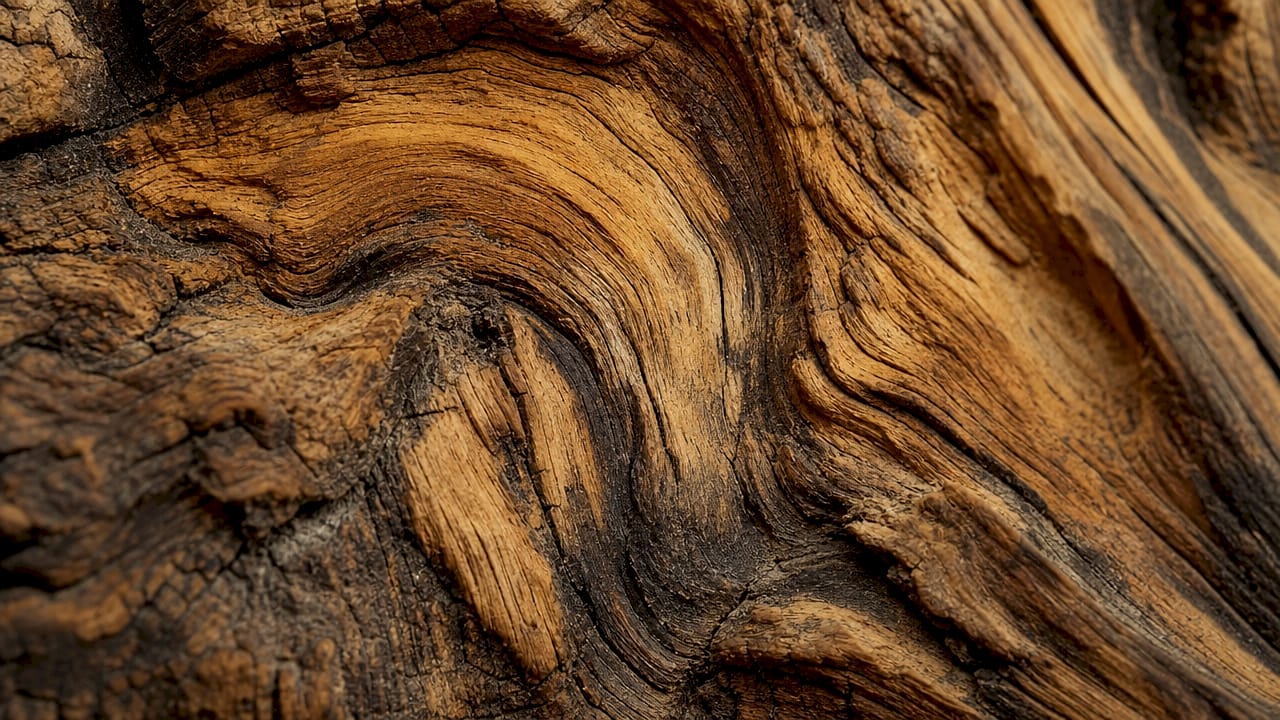
The definition of abstract images covers a wide range. A painting by Wassily Kandinsky may contain no recognizable object whatsoever. A photograph of rusted metal shot at extreme close range may retain texture and color but strip away all context. Both qualify as abstract because the viewer’s attention is directed to visual elements rather than subject identity.
Abstract meaning in art is not about confusion or randomness. It is a deliberate choice to communicate through visual language rather than literal depiction. Artists like Mark Rothko used large fields of color to produce specific emotional states. Photographers use angle, light, and framing to transform ordinary surfaces into compelling compositions.
The key distinction between abstract and representational images is intent. Representational art documents or depicts a recognizable subject. Abstract art uses that subject, or abandons it entirely, as a vehicle for exploring form and feeling.
What characterizes abstract images in art and photography?
Abstract images share a consistent set of formal characteristics regardless of medium. These elements define what makes an image abstract rather than representational.
| Element | Abstract images | Representational images |
|---|---|---|
| Subject | Absent or unidentifiable | Clearly depicted |
| Purpose | Emotional or conceptual | Documentary or narrative |
| Viewer role | Active interpretation | Passive recognition |
| Composition focus | Color, form, texture, line | Subject placement and context |
| Mood | Primary communication tool | Secondary to subject |
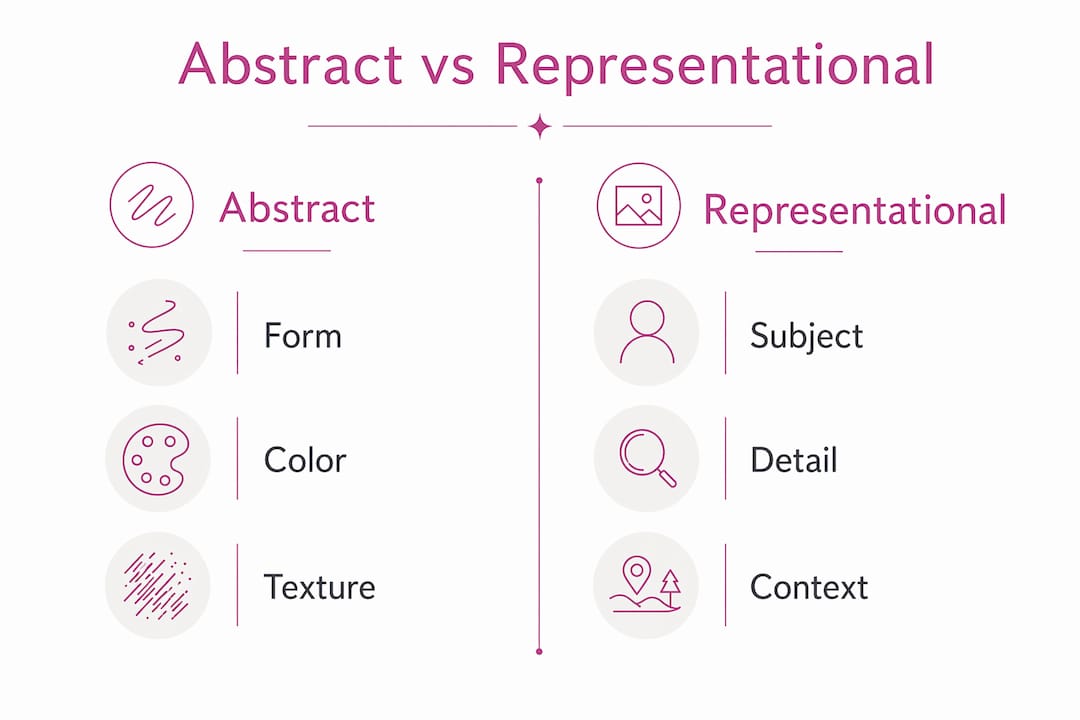
The formal elements that define abstract images include line, shape, color, texture, light, and composition. In abstract work, these elements are not in service of depicting something. They are the subject itself. A sweeping diagonal line creates tension. A field of warm orange produces a specific emotional temperature. Rough texture implies age, weight, or rawness without naming any object.
Semi-abstract images retain recognizable fragments. A close-up photograph of a flower petal may still read as organic and floral, but the extreme framing removes enough context to shift the viewer’s focus to color gradients and surface texture. Fully abstract images, by contrast, offer no foothold in recognizable reality. The viewer must engage entirely on the level of visual sensation.
Ambiguity is not a flaw in abstract images. It is the mechanism. When a viewer cannot immediately name what they are looking at, they are forced to engage with how the image makes them feel, which is precisely the point.
How are abstract images created?
Abstract images are produced through deliberate choices about framing, light, movement, and medium that redirect attention from subject to sensation. The techniques differ between photography and painting, but the underlying logic is the same: remove or obscure enough context that the formal elements take over.
In photography, the most common techniques include:
- Close-up framing. Move close enough to a surface that its identity disappears and only texture and color remain. Peeling paint, weathered wood, and fabric all yield strong results.
- Motion blur. Use a slow shutter speed to record movement as streaks of color and light. City traffic, water, and crowds all transform under this approach.
- Intentional camera movement (ICM). Move the camera deliberately during a long exposure to create painterly sweeps of color and form.
- High-contrast light control. Use strong directional light to reduce a subject to pure shadow and highlight, stripping away detail and context.
- Multiple exposures. Layer two or more images in-camera or in post-processing to create layered, ambiguous compositions.
In painting and digital art, abstraction comes from focusing on color fields, gestural marks, and compositional rhythm rather than rendering a subject. Artists working in the tradition of Abstract Expressionism, including Franz Kline and Helen Frankenthaler, built entire bodies of work from mark-making and color relationships alone.
Pro Tip: Abstraction is about perception, not equipment. A smartphone camera pointed at a rain-streaked window or a patch of reflected light can produce a stronger abstract image than an expensive camera pointed at a conventional subject.
The spectrum of abstraction also includes incidental abstraction, where a photographer notices an already-abstract arrangement in the world and simply frames it. A shadow falling across a geometric surface, or the reflection of a building in a puddle, can produce abstract images without any manipulation at all.
What distinguishes abstract photography from other photographic genres?
Abstract photography is defined by its removal of context from an ordinary scene, focusing on design elements rather than identifiable subjects to evoke an emotional or conceptual response. This separates it from documentary, portrait, landscape, and street photography, all of which prioritize subject recognition and narrative context.
The clearest test for whether a photograph qualifies as abstract comes from psychologist and photographer John Suler, who identified the viewer’s internal question “What is it?” as the acid test for abstraction. When a viewer looks at an image and cannot immediately identify the subject, the image has successfully shifted from documentation to conceptual exploration. That shift is the defining feature of abstract photography.
PetaPixel describes abstract photography as a rigorous technical discipline that teaches mastery of composition, focus, and exposure precisely because it removes the safety net of an interesting subject. Without a recognizable face or landmark to carry the image, every technical and compositional decision becomes visible. This is why many photography educators recommend abstract work as a training exercise.
Key characteristics that distinguish abstract photography include:
- No identifiable subject. The viewer sees shape, color, and texture rather than a named object or person.
- Emotional primacy. The image communicates mood before it communicates information.
- Formal composition. Line, balance, and rhythm are the primary organizational tools.
- Deliberate ambiguity. Context is removed intentionally, not by accident.
- Invitation to interpret. The viewer completes the meaning of the image.
“Abstract photography challenges viewers to see familiar subjects as visual puzzles defined by shape, color, line, and texture.” — RMCAD
Abstract photography can be created anywhere by isolating interesting forms, colors, or textures. A photographer does not need a studio or special location. The side of a building, the surface of a coffee cup, or the pattern of light through a window all contain abstract images waiting to be framed.
Common misconceptions about abstract images
The most persistent misconception about abstract images is that abstraction means the complete absence of recognizable content. In practice, abstract images exist on a spectrum, from semi-abstract works with isolated recognizable fragments to fully non-representational compositions. A photograph of a single brick isolated from its wall is still abstract, even though the viewer can identify the object, because the context that gives it meaning has been removed.
| Misconception | Clarification |
|---|---|
| Abstract means no recognizable content | Semi-abstract works include fragments; full abstraction is one end of a spectrum |
| Abstract images are random or unplanned | Abstraction requires deliberate compositional choices |
| More complexity equals stronger abstraction | Overcomplicating compositions dilutes emotional impact |
| Abstract art is easier than representational art | Abstract work demands equal or greater technical and conceptual skill |
Simplicity is a strength in abstract images, not a limitation. When a composition contains too many competing elements, the viewer’s attention fragments and the emotional impact drops. The strongest abstract images often reduce a scene to two or three dominant elements: a color relationship, a textural contrast, or a single strong line.
Pro Tip: Test your abstract image by showing it to someone without explaining the subject. If they ask “What is it?” and then spend time looking rather than moving on, the image is working. If they look confused and disengage, the composition needs simplification.
The balance between abstraction and viewer engagement is real. An image so abstract that it produces no emotional response has failed as communication. The goal is not maximum abstraction but maximum impact through the deliberate use of formal elements.
How to appreciate and find inspiration in abstract images
Appreciating abstract images requires a shift in viewing habits. Instead of asking “What is this a picture of?”, ask “How does this make me feel?” and “What visual relationships am I noticing?” This reorientation is the entry point for genuine engagement with abstract work.
When looking at an abstract image, focus on these elements:
- Color relationships. How do the colors interact? Do they create tension, harmony, or contrast?
- Rhythm and repetition. Does the composition have a visual beat? Do shapes or lines repeat in a way that creates movement?
- Texture. Does the surface feel rough, smooth, layered, or flat? How does that sensation affect your reading of the image?
- Balance. Is the composition symmetrical or asymmetrical? Does it feel stable or dynamic?
- Mood. What emotional state does the image produce? Calm, unease, energy, melancholy?
For students and creative professionals, abstract images are a direct tool for expanding visual thinking. Studying abstract art trends trains the eye to see composition and color independently of subject matter, which improves work across every visual discipline. Graphic designers, architects, and photographers all benefit from regular exposure to abstract imagery.
Practical ways to engage with abstract images in your own practice include photographing surfaces and materials at close range, experimenting with color palettes divorced from their original contexts, and sketching compositions using only geometric shapes. These exercises build the visual vocabulary that makes abstract work both readable and producible. You can also explore how art prints for home decor use abstract imagery to create specific spatial moods, which is a practical application of the same principles.
Key takeaways
Abstract images succeed by directing viewer attention to form, color, texture, and mood rather than subject identity, making the viewer’s emotional response the primary measure of the work’s effectiveness.
| Point | Details |
|---|---|
| Core definition | Abstract images prioritize formal elements over recognizable subjects across painting and photography. |
| Abstraction is a spectrum | Works range from semi-abstract with recognizable fragments to fully non-representational compositions. |
| Technique over gear | Perception, framing, and light control produce abstraction; specialized equipment is not required. |
| Simplicity strengthens impact | Overloaded compositions reduce emotional resonance; strong abstracts use few dominant elements. |
| Active viewer engagement | Abstract images require the viewer to interpret rather than recognize, making response personal and variable. |
Why abstraction is the most honest form of visual art
I have spent years working with abstract imagery, both as a painter and as someone who studies how viewers respond to art. My honest observation is this: abstraction strips away the social contract that representational art relies on. When you paint a landscape, the viewer brings their own associations with landscapes. The image is partly carried by the subject. When you remove the subject entirely, the work has to stand on its own formal qualities alone.
That is harder than it sounds. It is also more revealing. An abstract painting cannot hide behind a pretty subject. If the color relationships are weak, there is nothing to distract from that weakness. If the composition is unresolved, the viewer feels it immediately, even if they cannot name what is wrong.
What I find most compelling about abstract images is that they invite a different kind of looking. Viewers slow down. They look longer. They bring their own experience to the work and find meaning that the artist may not have consciously placed there. That exchange between maker and viewer is what makes abstraction so durable as a form.
For anyone starting out with abstract work, my advice is to resist the urge to explain your images. Let the viewer ask “What is it?” and sit with that question. The discomfort of not knowing is exactly where the most interesting responses come from.
— Eman
Explore original abstract art at Emansgallery
Emansgallery offers original handmade abstract paintings and museum-quality canvas prints by artist Eman Khalifa, shipped worldwide from the UK, USA, Canada, Australia, and across Europe and the UAE.
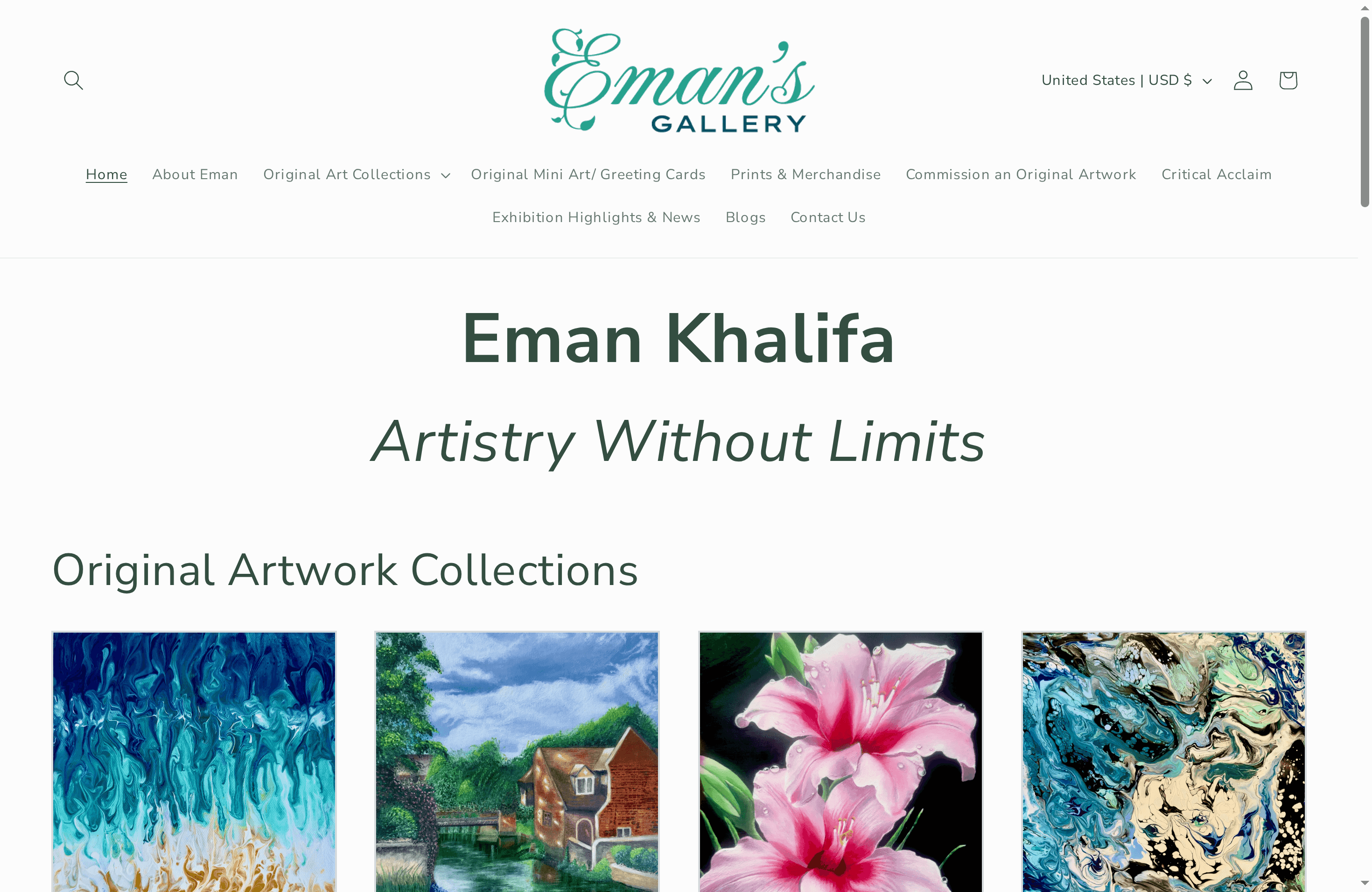
The collection includes works across the full spectrum of abstraction, from gestural ink splash pieces like the Fragments of Memory canvas print to conceptual works like Private Eye, a bold expressionist canvas print that rewards extended looking. Each piece is one of a kind or produced in limited museum-quality editions. For collectors and interior designers looking to understand how to display abstract art prints effectively in modern spaces, Emansgallery also provides practical guidance alongside its collection.
FAQ
What is the definition of abstract images?
Abstract images are visual works in which form, color, texture, and composition replace recognizable subjects as the primary content. They operate on a spectrum from semi-abstract to fully non-representational, as defined by Britannica.
What makes a photo abstract?
A photo becomes abstract when it removes enough context that the viewer focuses on visual elements rather than subject identity. The acid test, identified by John Suler, is whether the viewer internally asks “What is it?” when looking at the image.
Do abstract images need to be completely unrecognizable?
No. Abstract images exist on a spectrum. A recognizable fragment, such as a close-up of a leaf or a section of a building, can still be abstract if isolation and framing remove its context and direct attention to form and texture instead.
What techniques create abstract images in photography?
Close-up framing, motion blur, intentional camera movement, high-contrast light control, and multiple exposures are the primary techniques. Basic equipment suffices because abstraction depends on perception and framing rather than specialized gear.
How do you interpret abstract art?
Focus on emotional response rather than subject identification. Look at color relationships, compositional rhythm, texture, and balance. Ask how the image makes you feel rather than what it depicts. The viewer’s personal response is the intended content.
Stay Connected
- ✨ Explore Eman Khalifa's original art, fine art prints and art-inspired merchandise.
- Follow Eman Khalifa's art journey on: Instagram @emans_gallery and Facebook
- Watch Eman Khalifa creating live art on: YouTube @emans_gallery
