


Why Decorate With Art: Transforming Modern Luxury Spaces
Luxury interiors today demand more than simple visual appeal. For Canadian, American, and European homeowners and designers, the meaning of art in interior design has shifted to embrace artistic expression as a transformative language. Modern spaces are curated with original artworks that spark emotional response, reinforce personal narratives, and communicate refined taste. Discover how selecting the right art can shape your environment, influence well-being, and create a signature atmosphere that feels both distinctive and personal.
Table of Contents
- Defining Art In Interior Design Today
- Types Of Art For Modern Spaces
- Emotional And Psychological Impact Of Art
- Personalization And Space Identity Through Art
- Common Art Selection Mistakes To Avoid
Key Takeaways
| Point | Details |
|---|---|
| Art is Essential in Interior Design | Art acts as a transformative medium, enhancing spaces by reflecting personal identity and emotional landscapes. |
| Diverse Art Styles Enhance Spaces | Different art types provide unique characteristics and can profoundly alter the atmosphere and engagement within a space. |
| Emotional Impact of Art | Carefully selected art can reduce stress and promote well-being, making it a vital component of emotional design in interiors. |
| Avoid Common Art Selection Mistakes | Strategic art selection considers proportions, aesthetics, and emotional resonance to achieve visual harmony within a space. |
Defining Art In Interior Design Today
Interior design has evolved dramatically, transforming from mere functional space arrangement to a sophisticated artistic expression that communicates personal narrative and aesthetic sensibility. Interior design now explores spatial conditions as dynamic interfaces where art, architecture, and human experience intersect.
Modern interior art design goes beyond decorative elements, serving as a critical medium for spatial storytelling. Artists and designers collaborate to create environments that:
- Reflect individual personality
- Communicate emotional landscapes
- Challenge traditional spatial boundaries
- Integrate cultural and social narratives
- Provoke intellectual and sensory engagement
Contemporary art in interiors represents a nuanced dialogue between architectural form and creative interpretation. By strategically incorporating original artworks, designers can transform ordinary spaces into extraordinary experiences that resonate with deeper emotional and intellectual dimensions.
Art is not just a visual accessory, but a transformative language that speaks through spatial composition and personal expression.
Professional designers recognize art as a powerful tool for creating immersive environments. Interior design programs now emphasize integrating art as a critical component of spatial design, moving beyond traditional decorative approaches.
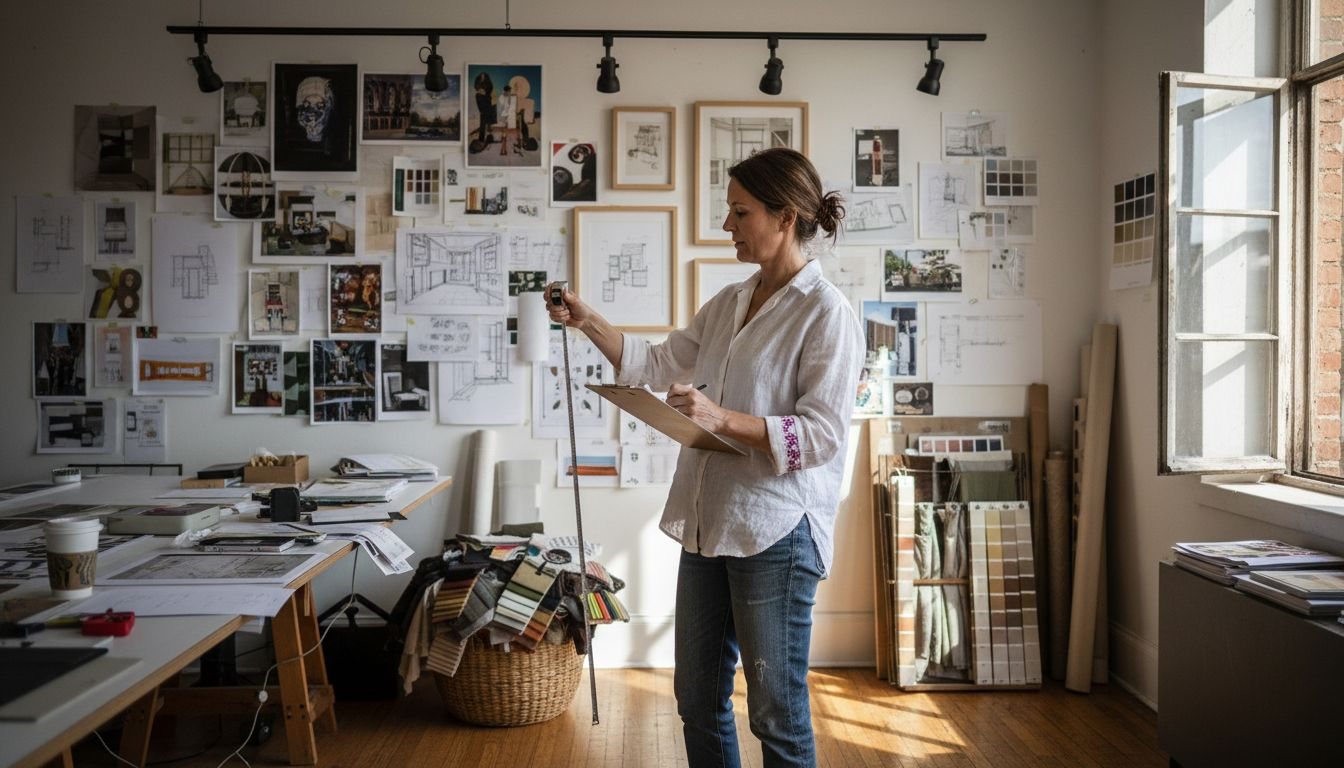
Pro tip: Select artwork that creates an emotional resonance with your space, not just matches your color scheme.
Types Of Art For Modern Spaces
Modern interior design embraces diverse art styles that transform spaces from mere functional environments into dynamic, expressive landscapes. Contemporary art trends increasingly influence interior design by offering multiple approaches to spatial storytelling and aesthetic communication.
The most prominent art types for contemporary luxury spaces include:
- Abstract Art: Geometric forms and non-representational compositions
- Minimalist Art: Clean lines and reduced color palettes
- Mixed Media Installations: Combining multiple artistic techniques
- Digital Art: Technology-driven visual experiences
- Photography: Large-scale documentary and conceptual imagery
Contemporary art styles offer nuanced ways to personalize interior environments. By carefully selecting artworks that resonate with architectural elements, designers create immersive experiences that transcend traditional decorative boundaries.
Modern art in interiors is not about filling empty walls, but creating meaningful dialogues between space, object, and human experience.
Each art type brings unique characteristics to interior design. Contemporary wall art guides suggest selecting pieces that complement architectural context while expressing individual narrative and emotional depth.
Here’s a comparison of how different modern art types impact interior design:
| Art Type | Spatial Effect | Emotional Influence |
|---|---|---|
| Abstract Art | Adds visual interest | Inspires creativity |
| Minimalist Art | Promotes calm atmosphere | Reduces visual clutter |
| Mixed Media | Introduces tactile variety | Engages multiple senses |
| Digital Art | Creates interactive visuals | Energizes the environment |
| Photography | Adds narrative depth | Evokes personal memories |
Pro tip: Choose artwork that creates visual conversation with your existing architectural elements, not just aesthetic matching.
Emotional And Psychological Impact Of Art
Art transcends mere visual decoration, serving as a profound psychological tool that transforms interior spaces into emotional landscapes. Emotional design in contemporary interiors reveals how artworks dramatically influence human psychological experiences and emotional well-being.
The psychological dimensions of art in modern spaces include:
- Triggering positive emotional memories
- Reducing stress and anxiety
- Creating sensory stimulation
- Enhancing personal identity expression
- Promoting mental relaxation and contemplation
Psychological research demonstrates that art functions as more than aesthetic ornamentation. Carefully selected pieces can fundamentally alter spatial perception, mood, and cognitive engagement within interior environments.
Art is not just something we observe, but an experience that transforms our internal emotional landscape.
By understanding emotional design strategies, individuals can curate spaces that actively support mental wellness, personal growth, and emotional resilience. Each artwork becomes a deliberate psychological intervention, crafting environments that nurture human experience.
Pro tip: Select artwork that resonates with your personal emotional frequencies, creating spaces that heal and inspire.
Personalization And Space Identity Through Art
Art serves as a powerful medium for expressing individual identity and transforming interior spaces into deeply personal narratives. Personalization in architectural design reveals how carefully selected artworks become extensions of personal identity, reflecting individual experiences, values, and emotional landscapes.
Key strategies for personalization through art include:
- Selecting pieces that reflect personal history
- Choosing artwork aligned with individual aesthetic preferences
- Incorporating culturally significant art elements
- Representing personal journeys and transformative experiences
- Creating visual narratives unique to individual inhabitants
Personal space design transcends mere decoration, functioning as a complex communication system where every artwork tells a story. The intentional curation of art becomes a method of self-expression, allowing individuals to construct and reinforce their personal identity within their living environments.
Your space is a visual autobiography, with each artwork serving as a chapter in your personal narrative.
Residential interior personalization demonstrates how art choices reflect deeper social and cultural contexts, transforming spaces from generic environments into uniquely meaningful territories that resonate with individual experiences.
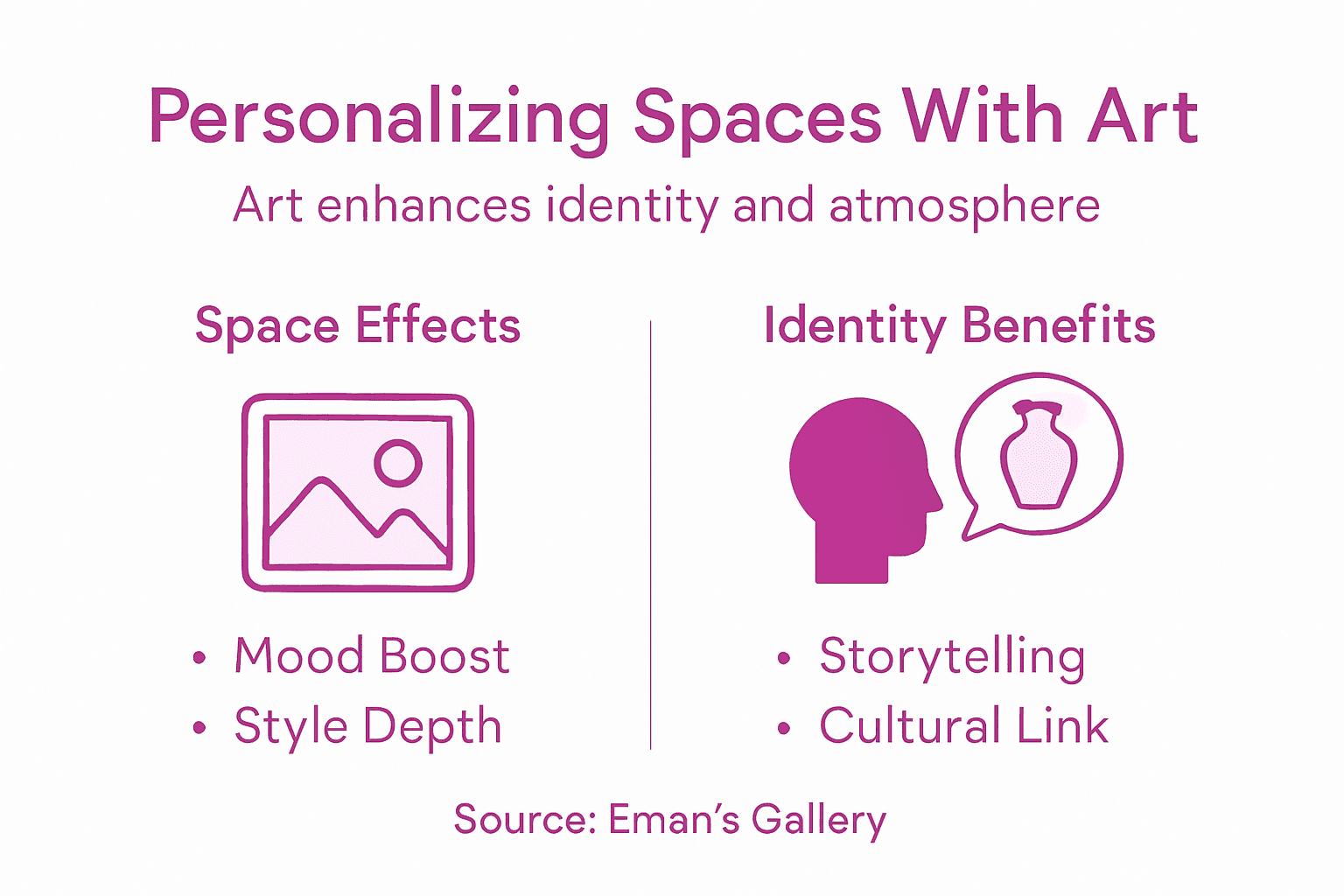
Consider these strategies for personalizing your interior with art:
| Strategy | Benefit |
|---|---|
| Reflecting personal history | Deepens emotional connection |
| Using cultural references | Honors heritage and identity |
| Curating unique combinations | Makes space truly distinctive |
| Rotating art regularly | Keeps environment inspiring |
| Commissioning custom pieces | Achieves complete originality |
Pro tip: Choose artwork that not only complements your space visually but also tells a story that is authentically and uniquely yours.
Common Art Selection Mistakes To Avoid
Selecting the perfect artwork requires more than aesthetic intuition; it demands strategic consideration and nuanced understanding. Wall art selection pitfalls reveal critical errors that can dramatically undermine the visual harmony of luxury interior spaces.
The most common art selection mistakes include:
- Ignoring artwork proportions relative to wall space
- Selecting pieces that clash with existing design aesthetics
- Purchasing art without considering room lighting conditions
- Hanging artwork at incorrect visual heights
- Prioritizing trends over personal emotional connection
- Neglecting artwork’s relationship with surrounding furniture
- Overlooking scale and visual balance
Professional designers understand that art selection is a sophisticated process of visual storytelling. Each piece must harmonize with architectural elements, color schemes, and the emotional landscape of the space.
Art is not just decoration, but a deliberate dialogue between space, viewer, and creative expression.
Successful art curation requires thoughtful consideration of multiple design elements, ensuring that selected pieces enhance rather than disrupt the room’s visual narrative. Strategic art selection transforms spaces from merely decorated to profoundly expressive.
Pro tip: Always view potential artwork in the actual space using digital mockup tools or temporary placement to assess its true visual impact.
Elevate Your Modern Luxury Space With Original Art
Transforming a modern luxury interior requires more than just furnishing a space. It demands a personal story expressed through meaningful artistic choices that create emotional and psychological connections. If you seek to avoid common art selection pitfalls and craft a space that is both visually engaging and deeply personal, explore the power of curated original art collections specifically designed to complement sophisticated interiors. Discover how geometric forms, emotive expressionist works, or nature-inspired floral art can add layered meaning and emotional resonance to your environment.
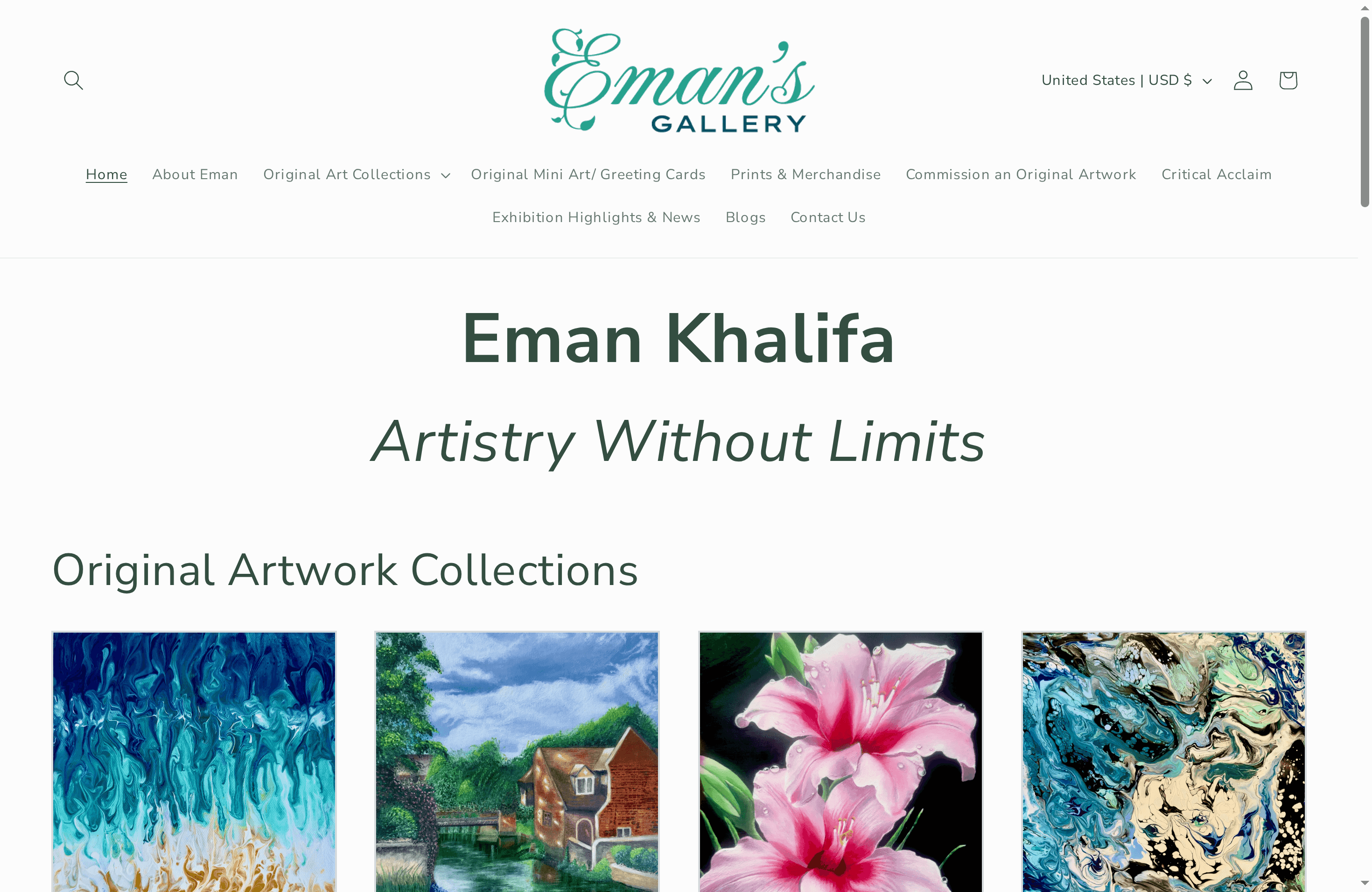
Explore the Geometric Original Art Collection and Expressionist Original Art Collection at Eman’s Gallery to find exclusive one-of-a-kind pieces by artist Eman Khalifa. These museum-quality artworks help you tell your unique story and enhance the identity of your space today. Start transforming your environment now by choosing artwork that truly speaks to your personal narrative and aesthetic vision.
Frequently Asked Questions
What types of art are best for modern luxury spaces?
Modern luxury spaces benefit from various art types, including abstract art, minimalist art, mixed media installations, digital art, and photography. These styles enhance the aesthetic and emotional qualities of the interiors, creating immersive experiences.
How can art influence the emotional atmosphere of a space?
Art can trigger positive emotional memories, reduce stress, enhance personal identity expression, and promote mental relaxation. Carefully curated artworks can transform interiors into supportive environments for emotional well-being.
What are common mistakes to avoid when selecting art for interiors?
Common mistakes include ignoring proportions relative to wall space, selecting art that clashes with existing aesthetics, and neglecting lighting conditions or visual heights. Thoughtful consideration of these elements ensures artworks enhance the space’s overall narrative.
How can I personalize my space using art?
Personalizing your space with art involves selecting pieces that reflect your personal history, using culturally significant elements, and curating unique combinations. This procession helps create an environment that uniquely resonates with your identity and experiences.
Recommended
- Why Display Art at Home: Transforming Modern Spaces
- Art Styles Explained: Shaping Luxury Interiors
- Why Art Matters in Interiors: Transforming Spaces
- Why Decorate With Prints: Impact on Luxury Spaces
- Understanding the Role of Culture in Luxury Marketing - Corrado Manenti
Stay Connected
- ✨ Explore Eman Khalifa’s original art and fine art prints
- 📸 Follow Eman Khalifa’s art journey on: Instagram @emans_gallery and Facebook Eman’s Gallery
- 📹 Watch Eman Khalifa creating live art on: YouTube @emans_gallery
